



You save
You save
You save
You save
You save
You save

You save
You save
You save
Betta Fish Food – Premium Nutrition for Healthy, Vibrant Bettas
Betta fish are one of the most beautiful and intelligent freshwater species, known for their flowing fins, vibrant colours, and unique personalities. However, to keep them healthy and active, they require a carefully balanced diet designed specifically for their needs. That’s where high-quality Betta fish food makes all the difference.
At Aquarium Central, our Betta Fish Food collection is specially curated to support colour enhancement, energy, growth, and long-term health. From protein-rich frozen foods to specially formulated pellets and slow-sinking granules, you’ll find everything needed to keep your bettas thriving.
Why Proper Betta Nutrition Matters
Betta fish are carnivorous by nature, meaning they require a protein-rich diet to stay healthy. Feeding them low-quality or unsuitable food can lead to:
- Poor colour development
- Low energy levels
- Digestive issues
- Shortened lifespan
A proper diet ensures your betta maintains its natural beauty and active behaviour while reducing the risk of illness.
To maintain a healthy environment, combine proper feeding with stable filtration using internal aquarium filters.
What Makes Good Betta Fish Food?
High-quality Betta fish food should replicate their natural diet found in the wild, which consists of insects, larvae, and small aquatic organisms.
Essential qualities include:
- High protein content
- Easy digestibility
- Colour-enhancing nutrients
- Minimal fillers or additives
- Suitable pellet or frozen formats
A balanced diet also helps reduce waste, which improves water quality when paired with gravel vacuum cleaners for tank maintenance.
Types of Betta Fish Food Available
At Aquarium Central, we offer a wide variety of feeding options to suit different preferences and aquarium setups.
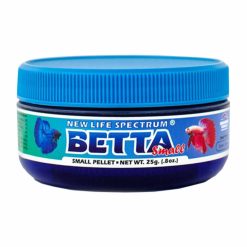
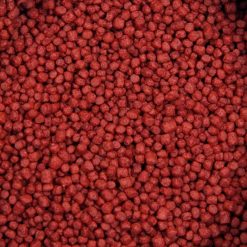
1. Betta Pellets
Pellets are one of the most popular food types for bettas. They are:
- Easy to portion
- Nutritionally balanced
- Designed for daily feeding
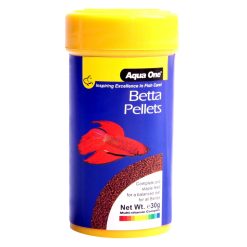
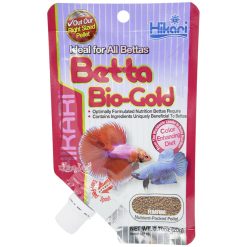
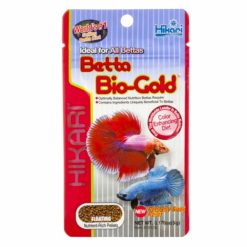
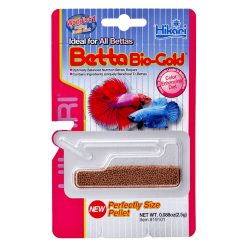
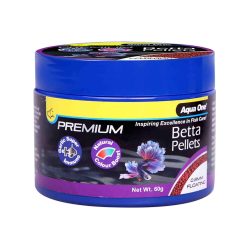
Popular options include Aqua One Betta Pellets and Hikari Betta Bio-Gold, known for supporting colour and immunity.
2. Frozen Betta Food
Frozen foods are rich in natural proteins and closely mimic a betta’s wild diet.
Common choices include:
- Bloodworms
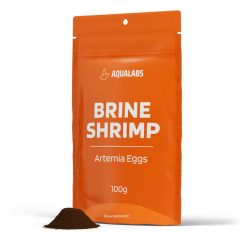
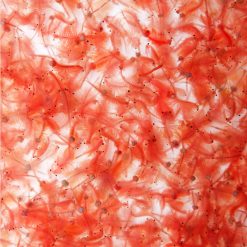
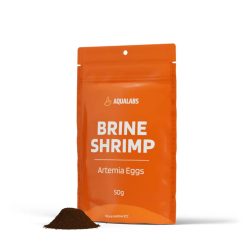
- Brine shrimp
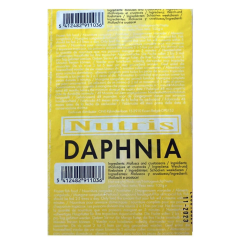
- Daphnia
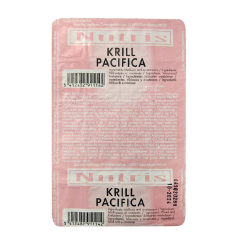
- Krill
Explore frozen options like crustacean-based foods for added variety.
3. Freeze-Dried Food
Freeze-dried foods are convenient and long-lasting while still retaining essential nutrients.
Examples include:
- Freeze-dried bloodworms
- Freeze-dried shrimp
- Mysis shrimp
These are ideal for occasional feeding or mixing into a varied diet.
4. Slow-Sinking Granules
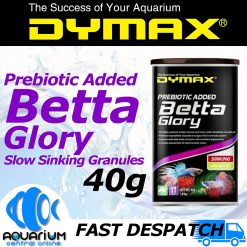
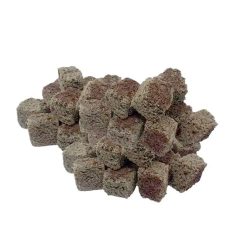
Granules are designed to sink slowly, allowing bettas to feed comfortably at different water levels.
They help reduce surface competition and ensure even feeding, especially in community tanks.
5. Live and Natural Foods
Live foods provide the highest nutritional value and stimulate natural hunting behaviour.
Options include:
- Baby brine shrimp
- Live daphnia
- Worm-based feeds
These are excellent for conditioning breeding fish or enhancing colour vibrancy.
Recommended Betta Food Brands
We stock trusted brands known for quality and nutrition, including:
- Hikari Betta Bio-Gold
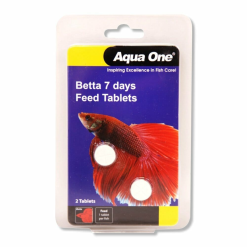
- Aqua One Betta Pellet Food
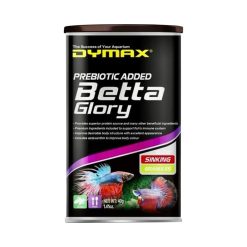
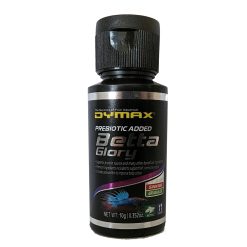
- Dymax Betta Glory Granules
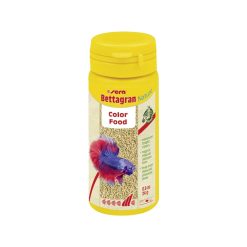
- Sera Bettagran Nature
- Nutris Frozen Foods
These brands are widely used by aquarists for their consistent quality and proven results.
Feeding Guide for Betta Fish
Feeding your betta correctly is just as important as choosing the right food.
Basic feeding tips:
- Feed 1–2 times daily
- Offer small portions (only what they can eat in 2 minutes)
- Avoid overfeeding
- Rotate between pellet and frozen foods
- Include fasting days once a week
Overfeeding can quickly pollute your aquarium, so maintaining balance is key.
For improved water stability, pair feeding routines with reliable water conditioners.
Best Aquarium Setup for Betta Fish Feeding
Bettas thrive in well-maintained environments where feeding is stress-free.
Ideal conditions include:
- Warm water (24°C – 28°C)
- Gentle water flow
- Low-stress tank mates (if any)
- Clean, filtered water
A properly maintained aquarium ensures your betta can digest food efficiently and stay active.
Enhance tank stability with quality aquarium filters and regular maintenance.
Supporting Betta Health Through Diet
A nutritious diet directly impacts your betta’s:
- Colour vibrancy
- Fin development
- Immune system strength
- Activity levels
Foods rich in protein and natural pigments help bring out the bright reds, blues, and purples bettas are famous for.
For optimal results, combine food variety with a clean environment and proper care routine.
Feeding Bettas in Community Tanks
If your betta lives in a shared aquarium, feeding becomes even more important.
Tips for community tanks:
- Ensure bettas get their share of food
- Use sinking granules to reduce competition
- Avoid overstocking tank mates
- Monitor feeding behaviour
You can also improve tank balance with species like compatible aquarium fish that won’t compete aggressively for food.
Why Choose Aquarium Central for Betta Fish Food?
At Aquarium Central, we understand the specific dietary needs of betta fish. That’s why we offer carefully selected products that focus on:
- Nutritional balance
- Trusted brand quality
- Easy feeding options
- Colour enhancement
- Long-term fish health
Whether you’re a beginner or experienced aquarist, our range makes feeding simple, reliable, and effective.
FAQs – Betta Fish Food
1. What is the best food for betta fish?
High-protein pellets, frozen bloodworms, and brine shrimp are ideal for bettas.
2. How often should I feed my betta fish?
Feed 1–2 times daily in small portions.
3. Can betta fish eat tropical fish food?
Bettas need specialised food, but high-quality tropical foods can be used occasionally.
4. Do betta fish need live food?
Live food is not essential but highly beneficial for health and colour enhancement.
5. What happens if I overfeed my betta?
Overfeeding can cause bloating, poor water quality, and health issues.
6. Can bettas eat flakes?
Flakes are not ideal, as they may float too long and lack proper nutrition.
7. How do I improve betta colour?
Use high-protein foods with colour-enhancing ingredients like carotenoids.
8. Should bettas fast?
Yes, one fasting day per week helps digestion and prevents overfeeding issues.